





























































 Quick Reorder
 Subscription

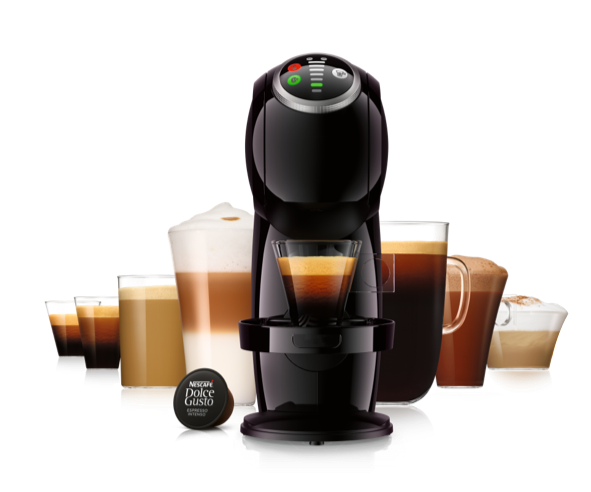
 Machine comparison
 Machine Help Centre











 FAQs
FAQs
 Machine help centre
 Contact us


Why Your Choice of Milk Matters
Ever wondered why a café latte tastes so rich? The secret is often in the milk.
Your milk choice can really change the final flavour, acidity, and how the coffee feels in your mouth. The fats and proteins in milk can soften coffee's bitterness, add a bit of sweetness, and make that lovely velvety texture. From a frothy cappuccino to a simple white Americano, the right milk can make the whole experience better by enhancing the flavours of your coffee.
Your milk choice can really change the final flavour, acidity, and how the coffee feels in your mouth. The fats and proteins in milk can soften coffee's bitterness, add a bit of sweetness, and make that lovely velvety texture. From a frothy cappuccino to a simple white Americano, the right milk can make the whole experience better by enhancing the flavours of your coffee.
The Classic Choice: Understanding Dairy Milk in Coffee
Dairy milk has long been a favourite with coffee because it creates a balanced, creamy drink.
Whole milk is best for steaming due to its high fat and protein content, producing a rich microfoam ideal for latte art and a creamy taste. Semi-skimmed is a good middle ground, while skimmed milk froths well but lacks creaminess. Dairy milk is creamy, froths excellently (especially whole milk), and has a familiar flavour. However, it's unsuitable for those with lactose intolerance or vegans.
Whole milk is best for steaming due to its high fat and protein content, producing a rich microfoam ideal for latte art and a creamy taste. Semi-skimmed is a good middle ground, while skimmed milk froths well but lacks creaminess. Dairy milk is creamy, froths excellently (especially whole milk), and has a familiar flavour. However, it's unsuitable for those with lactose intolerance or vegans.
Beyond Dairy: A Complete Rundown of Plant-Based Milk Alternatives
The search for the best milk alternative for coffee has resulted in a wide range of tasty and practical choices. Here’s a rundown of the most popular choices.
Oat Milk: The Barista's Favourite Alternative
Oat milk has a naturally creamy texture and a neutral, slightly sweet flavour that doesn't overpower the coffee. Its strength is in its steaming capability; barista-blend oat milks are made to create a silky microfoam that rivals whole dairy milk, making it a great milk substitute for coffee in lattes and flat whites.
Soy Milk: The Original Plant-Based Powerhouse
As the first alternative milk to dairy milk, with its history going back to 14th Century China, soy milk is still a good option to pair with your coffee. Its high protein content helps it create a thick, stable foam. However, soy milk has a noticeable bean-like flavour that some people find too strong. It can also curdle if mixed with very acidic coffee. To prevent this, try letting your coffee cool a bit before adding soy milk, or warm the milk gently beforehand.
Almond Milk: The Light & Nutty Option
For those who enjoy a nutty undertone, unsweetened almond milk in coffee is a popular, low-calorie choice. It has a much thinner consistency than oat or soya milk and can be difficult to froth into a stable foam unless you use a specially formulated barista blend. Its delicate flavour pairs well with lighter roast coffees where you don't want the milk to dominate.
Coconut Milk: For a Touch of the Tropics
Adding coconut milk to coffee immediately gives it a rich, tropical flavour. It's very creamy because of its high fat content, but keep in mind that its sweet, noticeable taste can easily dominate the coffee's natural flavours. It's a good option for speciality drinks or iced coffees, where its unique flavour is the main feature.
Other Contenders: Rice, Cashew, and Pea Milk
- Rice Milk: Rice milk is quite sweet and has a thin consistency. It doesn't foam very well, which can make coffee taste watery. It's best to use it sparingly, especially in drip or iced coffee.
- Cashew Milk: Cashew milk is creamier than almond milk and has a more subtle nutty flavour. This makes it a nice alternative, though it's not as commonly used.
- Pea Milk: Pea milk is a more recent option and is surprisingly high in protein. This makes it one of the best non-dairy milks for frothing. It has a neutral, slightly earthy flavour and a creamy texture.
At-a-Glance: Comparing Your Coffee Milk Options
| Milk Type | Creaminess | Sweetness | Frothing Ability | Flavour Profile | Pairs Best With |
| Whole Dairy | High | Mild | Excellent | Rich, creamy | Espresso, dark roasts |
| Oat Milk | High | Medium | Excellent | Neutral, oaty | All coffee types |
| Soy Milk | Medium | Mild | Good | Distinct, beany | Medium to dark roasts |
| Almond Milk | Low | Mild | Poor (Good in Barista Blends) | Nutty, light | Light roasts, iced coffee |
| Coconut Milk | High | High | Fair | Strong, tropical | Iced coffee, speciality drinks |
Choosing Your Perfect Match: Tips for Your NESCAFÉ® Dolce Gusto® Drink
Making delicious milky coffees at home is easy when you know which milk to pick.
- For Lattes & Cappuccinos: To master the art of a perfect cappuccino or a silky flat white, you need a milk that froths well. Whole milk, barista-blend oat milk, and pea milk are your top choices due to their high fat and protein content.
- For Filter/Drip Coffee: Here, you want a milk that mixes smoothly without overpowering the coffee's flavour. Semi-skimmed dairy, almond milk, or a splash of oat milk work beautifully.
- For Iced Coffee: Thinner milks like almond or skimmed milk mix easily into cold coffee without clumping. For a creamier iced latte, oat milk is an excellent choice.
Conclusion: Your Perfect Coffee Awaits
Ultimately, finding the best milk for your coffee is a journey of personal taste. The perfect partner for your morning brew depends on whether you prioritise creaminess, flavour, or frothing ability. Don't be afraid to experiment!
- Best for Frothing: Whole Dairy Milk & Barista-Blend Oat Milk.
- Best for Neutral Flavour: Oat Milk & Semi-Skimmed Dairy.
- Best Low-Calorie Option: Almond Milk & Skimmed Dairy.